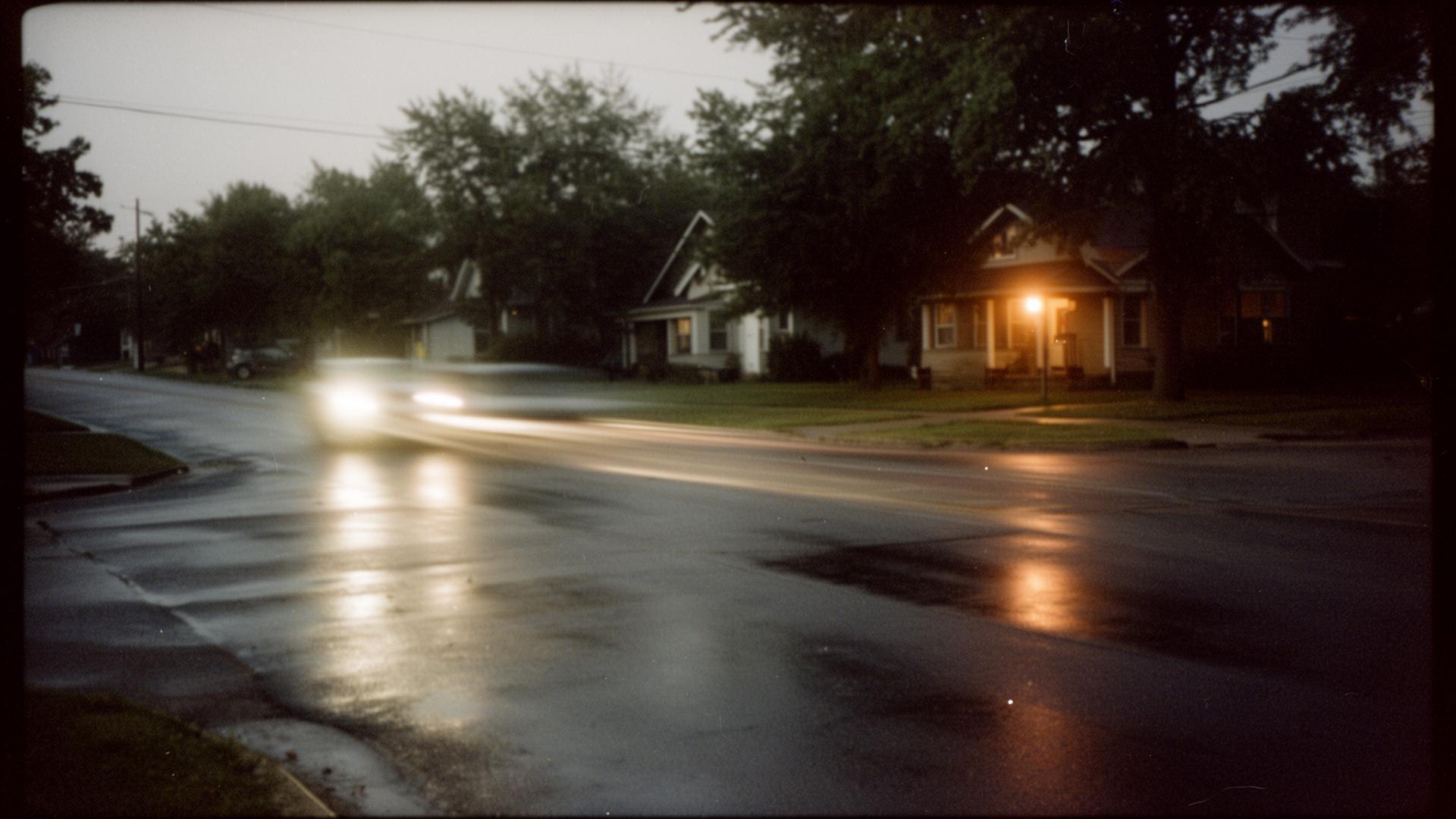

Most common starting point
Movement nearby, quiet at night
Walk to coffee, walk to dinner, then the block goes still by ten. Brookside, Waldo, parts of Westside.

Explore Kansas City
Some weeks want walkability and a corner coffee. Others want quiet evenings, school rhythm, or room to spread out.
Start with your pace
Pace usually answers itself once you stop ranking neighborhoods and start ranking your week.
Eight quiet directions to start from. None are categories, more like the question you'd ask yourself before narrowing a map.
Most common starting point
Movement nearby, quiet at night
Walk to coffee, walk to dinner, then the block goes still by ten. Brookside, Waldo, parts of Westside.
Routines within walking distance
The week happens on foot — bookstore, grocery, the same café twice. Crossroads, River Market, parts of Brookside.
Atmosphere over square footage
Older bones, smaller rooms, a neighborhood that already had a personality. Westside, Strawberry Hill, parts of Brookside.
Active without feeling loud
People around, not crowds — a steady weekday hum that doesn't follow you home. Prairie Village, parts of Waldo, quieter pockets of Westport.
Household logistics
Sidewalks, school rhythm, predictable weekday flow. Prairie Village, Leawood, Shawnee, Lenexa, Piper.
Privacy-first
Set-back homes, low foot traffic, quiet exits. Mission Hills, established Leawood, quieter corners of Parkville.
Outdoors-oriented
Trails, river edges, room to breathe. Parkville, Greenwood, Spring Hill, parts of Shawnee.
Understated
Big lots, big trees, big restraint — the kind that doesn't announce itself. Mission Hills, established Leawood.
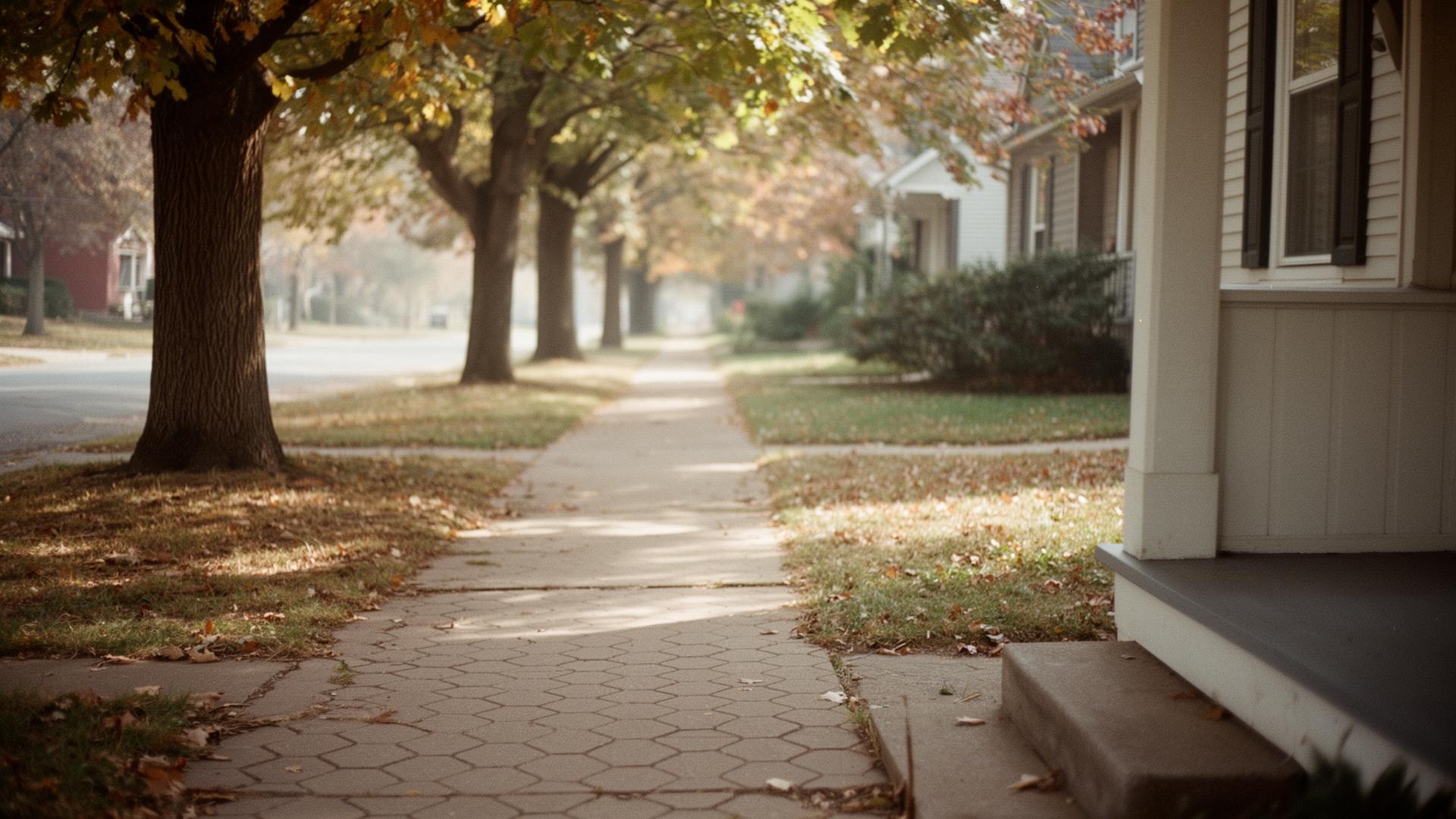
A quieter way in
Most relocation stress comes from trying to solve for every variable at once. Schools, commute, walkability, privacy, restaurants, lot size, pace, architecture, future value.
Locals usually narrow the city differently.
They start with how they want ordinary Tuesdays to feel.
What usually matters
Most of the friction in a search comes from quietly disagreeing about which of these matters most. Naming the order out loud tends to make the next two months feel calmer.
Schools
Sometimes the entire decision. Worth deciding early how much weight it carries before anything else gets ranked.
Commute
KC drives well, but the same fifteen miles can feel different depending on where the bridges are.
Walkability
Real walkability lives in pockets. Worth being honest about how much of the week you actually want on foot.
Privacy
Setback, lot size, and street type matter more than gates. Privacy is usually a design decision, not a feature.
Community feel
Front-porch streets, neighborhood events, knowing the dog's name across the fence. Hard to fake. Easy to feel.
Architecture
Old bones or new construction is rarely a neutral choice. It changes maintenance, charm, and the kind of weekend you'll have.
Lot size
Half an acre changes a lifestyle more than most people predict. So does the inverse.
Investment confidence
Long-view buyers tend to weight neighborhood evolution and livability above current price action. Worth naming early.
Lifestyle lenses
A few honest ways locals think about the city. Not categories, more like the questions you actually ask yourself before signing anything.
Walkable + local-food energy
Where weekends happen on foot, coffee, a bookstore, a slow dinner. Westside, Crossroads, River Market, parts of Brookside.
Quiet residential rhythm
Sidewalks, slow streets, predictable weekday flow. Prairie Village, Leawood, parts of Shawnee and Lenexa.
Established + understated
Big trees, long lots, and a sense that nothing's in a hurry. Mission Hills, established pockets of Leawood.
New-construction growth
Newer builds, planned layouts, fewer surprises behind the walls. Piper, parts of Lenexa and Raymore.
Privacy-leaning
Set-back homes, low foot traffic, calm exits. Mission Hills, parts of Leawood, quieter corners of Parkville.
Investment-aware growth pockets
Neighborhoods locals have been quietly watching for a few years. North KC, Strawberry Hill, parts of Raymore.
Historic character
Older bones, real architecture, neighborhoods with a memory. Westside, Strawberry Hill, parts of Brookside.
Kansas vs Missouri
The state line is the most asked-about feature of the metro and the most misread. None of this is political. It's lifestyle.
Taxes
The two sides handle income, property, and sales tax differently. The right answer depends on the household, not the state.
Schools
Both sides have strong districts and weaker ones. The line on the map matters less than the specific district you're in.
Pace
The Kansas side reads more planned and suburban; the Missouri side reads older and more textured. Neither is better, they live different daily lives.
Identity
Locals usually identify with a neighborhood before a state. The line is a logistical fact, not a personality.
Development patterns
Newer construction tends to land on the Kansas side; established character tends to land on the Missouri side. Both have exceptions.
Misconceptions
It's not a political question, a school-quality question, or a 'which side wins' question. It's a fit question for one specific household.
The line on the map is a real consideration, not a deciding one. Most households end up choosing a neighborhood and discovering which state it's in second.
A quiet block, somewhere in the city.
The walkability reality
Walkability lives in pockets here, not corridors. The honest version of the conversation matters more than the listing copy.
Real walkability
Westside, Crossroads, River Market, and pockets of Brookside genuinely deliver on a coffee-and-dinner-on-foot week.
Pocket walkability
Prairie Village's shops, parts of Waldo, and corners of Leawood have the feel within a few blocks but ask for a car beyond that.
Marketed but not lived
Some new-construction neighborhoods describe themselves as walkable in a future sense. Worth seeing on a Tuesday before believing it.
Honestly car-first
Most of the outer ring is car-led by design. That's not a flaw, but it's worth naming before you sign somewhere expecting otherwise.
The right framing isn't "is it walkable?" It's "how much of my actual week do I want on foot?", and then matching to a pocket that holds up on a regular Wednesday.
Walk the neighborhoods
Not as rankings. Not as “best areas.” Just different ways of living, written down honestly.
Brookside is the first live walk.
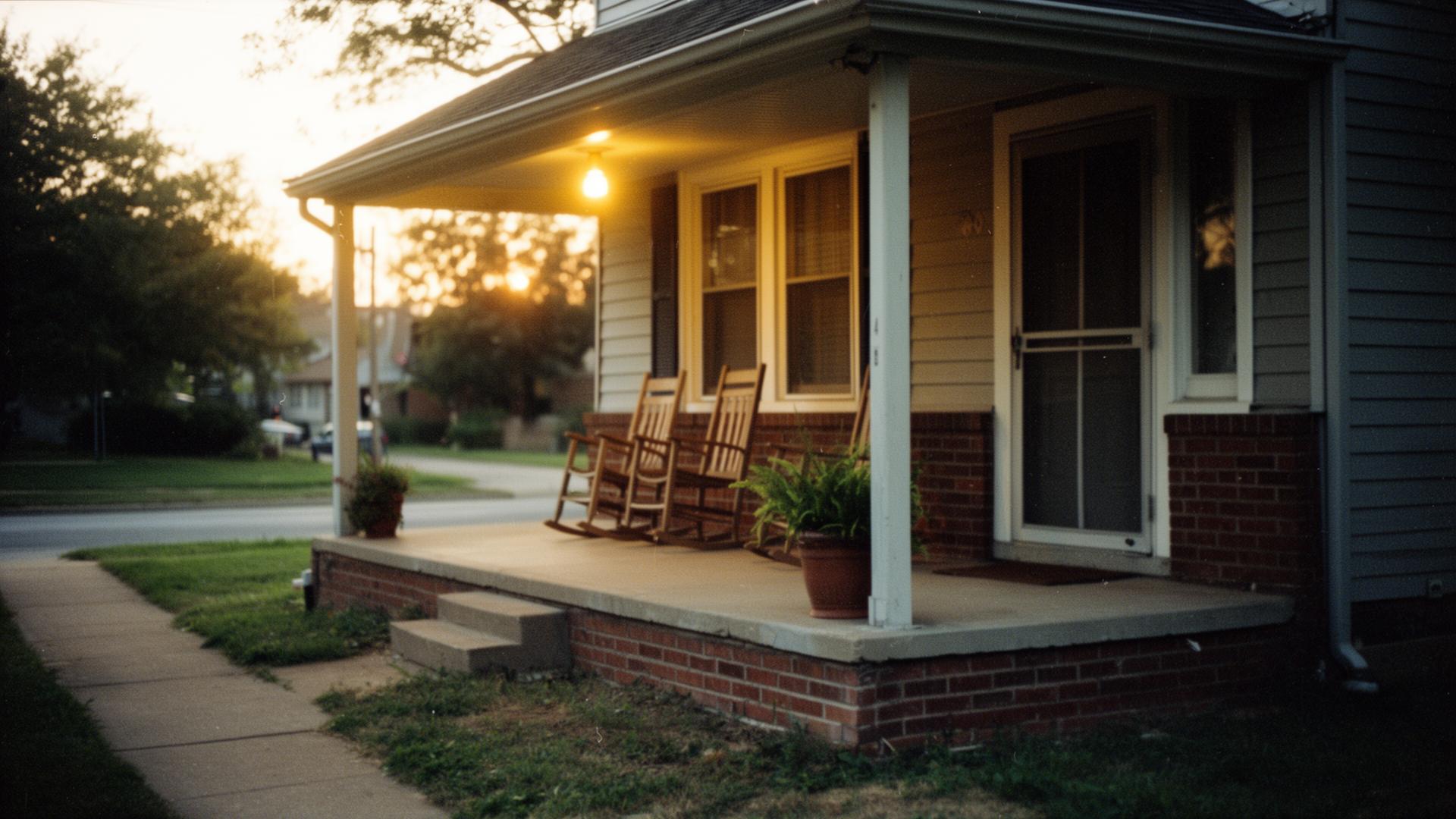
Brookside
Quiet walkability
Brookside feels slower than people expect. The sidewalks stay active longer than the streets do. Most routines happen close to home here.
The deeper catalog
Short, observational reads sorted by feel, not by rank. The kind of thing you'd hear from a friend who's lived here long enough to be honest about the trade-offs.
How locals sort it
Urban core
Locals start their weekends here. The blocks change personality every two streets.
Westside
Walkable, art-leaning, close to downtown without the noise.
Fits well for: Buyers who want city texture and don't mind older bones.
Worth knowing: Inventory is thin and moves fast.
River Market
Streetcar-served, market-anchored, weekends on foot.
Fits well for: Buyers who want a walkable downtown lifestyle without a car-first routine.
Worth knowing: Mostly condos and lofts; quiet evenings vary by block.
Crossroads
Galleries, lofts, late dinners, streetcar nearby.
Fits well for: Buyers who want to walk to weekend life.
Worth knowing: Mostly condos and lofts, limited single-family stock.
North Kansas City
Compact, characterful, undervalued for its location.
Fits well for: Investors and buyers who like in-progress neighborhoods.
How locals sort it
Established
Bones, trees, and a sense that the neighborhood was already finished before you got here.
Brookside
Tree-lined, neighborly, easy to settle into.
Fits well for: Families and long-tenure buyers who want roots.
Waldo
Quieter cousin of Brookside, same charm, slightly more breathing room.
Fits well for: First-time buyers who want established without the price jump.
Prairie Village
Walkable pockets, school-anchored, comfortable.
Fits well for: Families who want neighborhood feel inside the metro.
How locals sort it
Understated
Restrained. The kind of quiet that doesn't need to announce itself.
Mission Hills
Old-money quiet. Big lots, big trees, big restraint.
Fits well for: Buyers prioritizing privacy and long-term value.
Worth knowing: Limited turnover; patience matters.
Leawood
Polished, organized, easy to move a family into.
Fits well for: Move-up buyers and relocators wanting low-friction suburban.
How locals sort it
Quiet residential
Predictable in the good way. Most of the week happens within a few miles.
Shawnee
Practical, family-paced, lots of room to land.
Fits well for: Move-up buyers wanting space without driving forever.
Lenexa
Newer feel, planned, easy logistics.
Fits well for: Relocators who want a soft landing while they learn KC.
How locals sort it
Outer growth
Newer, planned, still settling into a personality. Worth seeing on a Tuesday.
Parkville
River-edge, small-town energy, growing quickly.
Fits well for: Buyers wanting a quieter pace within commute distance.
Piper
Newer construction, school-anchored, room to spread out.
Fits well for: Families prioritizing schools and newer builds.
Raymore
Affordable space, growing infrastructure, family-led.
Fits well for: Budget-aware buyers who want square footage.
Worth knowing: Commute to the urban core is real, plan around it.
Greenwood
Quiet, semi-rural feel without losing access.
Fits well for: Buyers who want land and don't mind a longer drive.
Spring Hill
Small-town pace at the edge of the metro.
Fits well for: Buyers prioritizing lot size and a slower rhythm.
How locals sort it
Investment-aware
The ones locals have been quietly watching for a few years.
Strawberry Hill
Historic Kansas-side pocket with views and a long memory.
Fits well for: Buyers comfortable with renovation conversations.
Worth knowing: Stock varies; condition matters more than the headline price.
Neighborhood personality
Short observational reads on the parts of KC that get asked about most. Less listicle, more the kind of thing you'd hear from a friend who's lived here long enough to be honest about the trade-offs.
Brookside
Tree-lined and neighborly in a way that's hard to fake. Front porches, school routines, a Saturday rhythm that doesn't change much year to year. The trade-off is mostly older bones, which most Brookside buyers think of as a feature, not a flaw.
Waldo
Brookside's slightly younger sibling. Same charm, a little more breathing room on the price, a little less of the polished feel. First-time buyers and long-tenure families tend to land here for similar reasons.
Prairie Village
Walkable pockets, school-anchored, comfortable in a way that doesn't need a marketing campaign. Reads suburban from the highway and feels closer to a neighborhood once you're inside it.
Leawood
Polished, organized, and easy to move a family into without much friction. Less character per square foot than Brookside; more predictability per square foot than almost anywhere else in the metro.
Crossroads
Galleries, lofts, late dinners, and a streetcar nearby. Lives more residential than visitors expect, most of the foot traffic is people who actually live there. Mostly condos and lofts.
River Market
Streetcar-served, market-anchored, and quieter on a Tuesday than the Saturday crowds suggest. Walkable downtown without a car-first routine. Stock skews loft and condo.
Westside
Old bones and real character. Walkable to downtown without the noise, art-leaning, and tight on inventory. The neighborhood that rewards patience.
Parkville
River-edge, small-town energy, growing quickly without losing its pace. Buyers landing here usually want a slower rhythm and don't mind a bridge in the commute.
Mission Hills
Old-money quiet. Big lots, big trees, big restraint, the kind of neighborhood that doesn't announce itself. Patience matters; turnover is limited and privacy is the point.
Market lens
The parts of the market that matter most rarely show up on a chart. These are the questions clients tend to actually ask.
What $500k feels like in different parts of KC
It's a renovated bungalow in Brookside, a newer build in Lenexa, or land and breathing room in Parkville. Same number, very different lives.
Why some relocators choose Shawnee over downtown
Soft landings tend to win in the first year, sidewalks, predictable commutes, room for kids. Urban-core energy can come later.
Why some investors are watching North KC
Compact, characterful, undervalued for its proximity. Long-view buyers like in-progress neighborhoods more than finished ones.
Why some families prioritize space over walkability
Walkable is wonderful at 28 and complicated at 38. Two kids, a dog, and a home office often re-rank the list.
Where this leads
New to KC?
How relocations actually unfold here, from first call to keys.
First home?
What the process looks like when it's your first time through it.
Investing?
How E thinks about long-view KC buying, livability, friction, patience.
Privacy-first move?
Athlete and high-discretion relocations, handled quietly.
Find your starting point
You don't have to know which one fits yet. Most people don't, and the conversation tends to figure that out.
Buying
Thinking through a first or next home in KC.
Selling
Quiet prep, honest pricing, no listing-pitch energy.
Relocating
Moving into KC, or between KC and another city.
Athlete moves
Privacy-led, timing-aware, NDA-friendly.
First-time buying
Patient, plain-English, no pressure.
Investing
Long-view KC buying, livability-aware.
READY WHEN YOU ARE
Tell me where you are in the process, and I’ll help you figure out the next right step.
Or reach Ericka directly: (913) 912-9737management@estateswithe.com